
 By
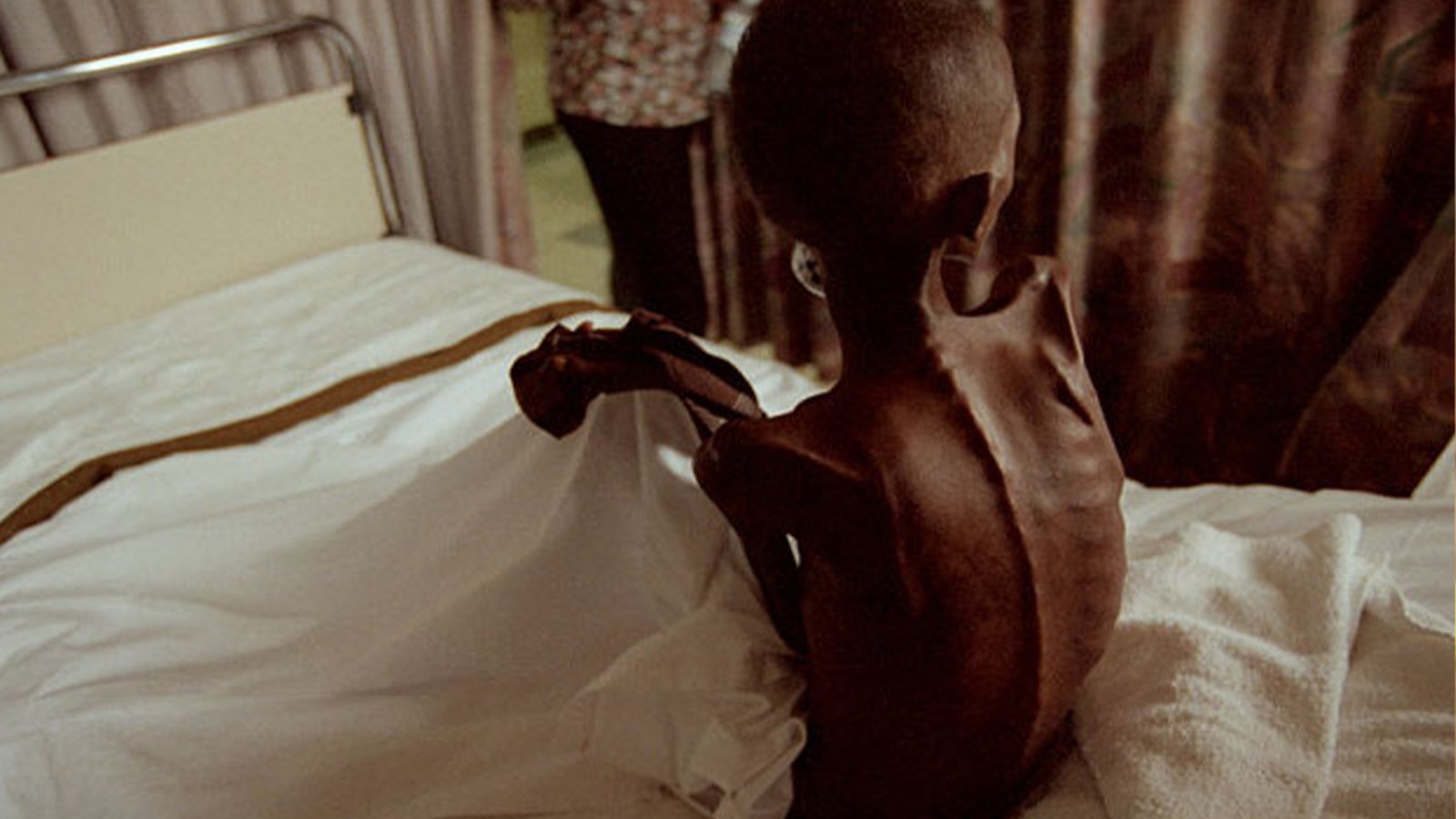
By When the first whispers of a mysterious, wasting illness began circulating in parts of Rakai District in the early 1980s, few Ugandans knew they were standing at the epicenter of what would become one of the world’s deadliest epidemics. The illness locally called “Slim” because of the severe weight loss it caused was later identified as HIV/AIDS, marking the beginning of a national tragedy that would reshape Uganda’s health systems, communities, and politics for decades.
By 1986, Uganda was recording some of the highest HIV infection rates globally. Entire families in Rakai, Masaka, and Kabarole were wiped out. Villages lost teachers, farmers, traders, and local leaders in quick succession. Hospitals overflowed with patients who doctors could do little for beyond offering pain relief and counselling. In urban areas such as Kampala, Mulago Hospital became a symbol of the crisis long corridors lined with beds, patients isolated by fear of contagion, and a health system overwhelmed by a disease the world barely understood. By the early 1990s, HIV prevalence had surged to nearly 18%, making Uganda one of the hardest-hit countries on Earth.
In 1988, Uganda witnessed a turning point when musician Philly Bongole Lutaaya, at the height of his career, publicly declared that he was HIV-positive. At a time when stigma was deadly and silence widespread, Lutaaya’s courage humanized the epidemic.
His album “Alone and Frightened” became the emotional soundtrack of the crisis, giving faces and voices to families suffering in the shadows.
Through school tours, community meetings, and media campaigns, Lutaaya transformed public understanding of the disease.
Even after his death in 1989, his advocacy laid the foundation for Uganda’s openness and community-driven response an approach that would later earn global praise.
Latest
Armed Attacker Raids Njeru Home, Escapes With Doctor’s Child
Police Unleash New Fleet to Tighten Grip on Election Security
One Killed, Several Injured As Police NUP Clash in Iganga
CDF Muhoozi, Belgian Envoy Discuss Stronger Security Cooperation
Clever J Hospitalised After Nakasongola Crash, Son Suffers Double Leg Fractures
Uganda became one of the first African countries to publicly acknowledge the disease, a move that changed the global fight against HIV/AIDS. President Yoweri Museveni launched a nationwide prevention campaign under the now-famous ABC Strategy Abstain, Be Faithful, and Use Condoms. Community meetings, church sermons, school debates, drama groups, and radio announcements became tools of mass sensitization. The openness of Uganda’s approach set it apart from many countries where stigma muted public discussion. International partners soon joined the battle, providing funding and technical support. Grassroots networks especially women’s groups, youth clubs, and village health teams played a critical role in spreading information and caring for the sick.
Entering the 2000s, Uganda came face-to-face with a new era of hope. Antiretroviral therapy (ART) became available, first to a few, then to thousands, and eventually free for all through government and donor-supported programmes. Mulago, Mbarara, and regional hospitals transformed into treatment centres where people arrived near death and walked out weeks later with renewed strength. The famous “Lazarus Effect” inspired communities and countered stigma. As treatment coverage expanded, Uganda’s HIV prevalence fell sharply, from nearly 18% in the 90s to about 6.5% in the 2000s and later to 4.9% today.
Despite the progress, HIV remains a persistent challenge. The face of the epidemic has shifted dramatically. Today, adolescent girls and young women aged 15–24 bear the highest burden of new infections. Factors driving this trend include gender-based violence, transactional relationships driven by economic vulnerability, limited access to youth-friendly reproductive health services, and stigma that prevents young people from seeking timely testing. The Uganda AIDS Commission warns that unless this group is urgently protected, the national gains of the last four decades could be undermined.
This year’s global theme “Let Communities Lead” reflects Uganda’s own history. From the early Rakai counsellors who held the hands of dying patients, to today’s peer educators distributing self-test kits, communities have always been the backbone of the response. Local organisations continue to push for expanded HIV testing, prevention tools like PrEP, male involvement in sexual health decisions, elimination of mother-to-child transmission, and support for people living with HIV to remain on treatment.
Uganda aims to end AIDS as a public health threat within the next five years. To achieve this, health experts say the country must sustain funding for ART, strengthen diagnostics, reduce stigma in schools and workplaces, empower young women economically, and invest in community health systems. Four decades since HIV first emerged in southwestern Uganda, the country is no longer defined by fear or fatalism but by resilience, scientific progress, and a generation determined to rewrite the story.
As World AIDS Day is marked today, Uganda stands at a crossroads mindful of its painful past, motivated by its hard-won victories, and hopeful that the final chapter in the HIV epidemic will be one of triumph.
Follow our WhatsApp Channel for more… https://whatsapp.com/channel/0029Vb6TpGqLtOjKB7S8OI3d