
 By
By Regional leaders meeting at State House Entebbe have agreed to push for a ceasefire in eastern Democratic Republic of Congo (DRC) and place regional mechanisms at the centre of resolving the conflict, while moving to deploy a neutral force to verify troop withdrawals and armed group positions.
The position emerged from a ministerial meeting and extraordinary summit held under the Regional Oversight Mechanism on Peace, Security and Cooperation Framework for the DRC and the region, hosted by President Yoweri Museveni in partnership with the International Conference on the Great Lakes Region (ICGLR).
Latest
Train–Vehicle Collision on Jinja Road Claims Life of US National
Prince Kassim Nakibinge Urges Calm, Respect for Law Ahead of 2026 Polls
High Court Ruling Clarifies Law on Voter Conduct at Polling Stations
Cabinet Clears Magistrates’ Courts Bill in Push for Faster Justice
Brig Gen Kayanja Takes Over as UPDF Contingent Commander in Somalia
EC Warns Candidates Against Mobilising Voters to ‘Protect’ Votes at Polling Stations
Mafabi Courts Kalangala Fishermen with Gear, Security and Market Pledges
Minister of State for Regional Affairs John Mulimba said the summit brought together leaders and representatives from 12 countries, including DRC President Félix Tshisekedi, with all participating states presenting their positions on the security situation in eastern Congo.
“At the end of the discussions, we received a communiqué, but it was resolved that the communiqué has to be improved in terms of its breadth and content,” Mulimba said.
He said the refinement process will be undertaken under the chairmanship of the Regional Oversight Mechanism, working with ministers from Rwanda, the DRC and other signatory countries, with a revised document expected within 10 days. Another meeting is planned within two weeks.
Mulimba said the summit agreed on the need for a ceasefire among the parties and endorsed a phased approach to peacebuilding that prioritises regional action before international involvement.
According to the minister, leaders agreed that regional blocs the East African Community (EAC) and the Southern African Development Community (SADC) should take the lead in resolving the conflict, with international initiatives such as the Doha and Washington peace processes playing a complementary role.
“There was consensus that the regional mechanism must take centre stage, complemented by international initiatives,” Mulimba said.
He dismissed claims that the meeting descended into accusations, saying differing positions on the presence of armed groups and foreign forces were acknowledged without assigning blame.
“It was correct to say that FDLR is in DRC, and it was also correct to say that Rwandan forces are in DRC. There was no blame game,” he said.
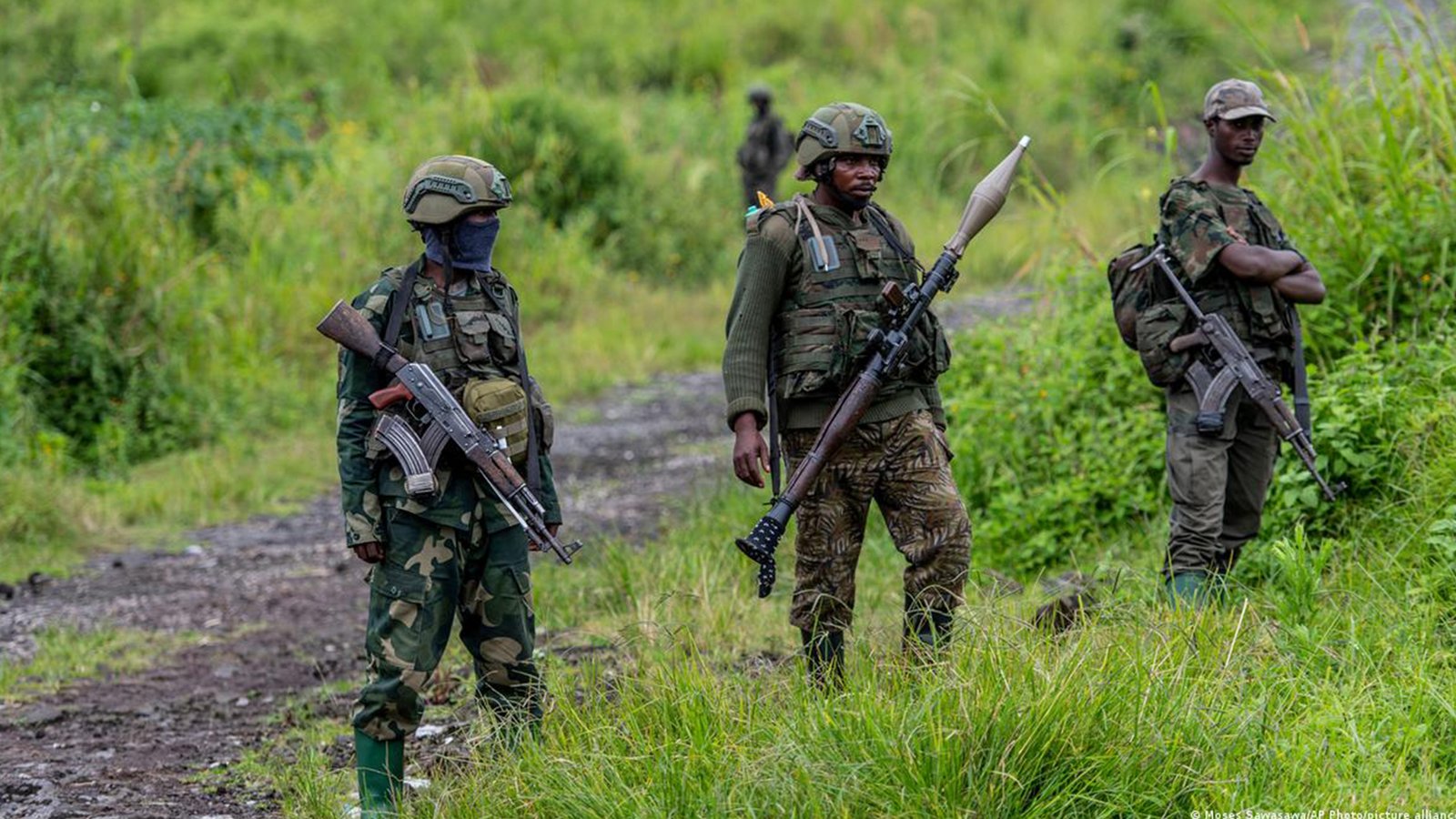
Mulimba said the meeting recognised that lasting peace in eastern DRC cannot be achieved without addressing the role of the M23 movement, which he described as a central actor in the conflict.
On troop withdrawals referenced in the Doha and Washington processes, Mulimba said withdrawal should be treated as a process rather than a single event, noting the need for verification.
“That is why we are proposing that a regional force comes in as a neutral force to carry out verification,” he said.
Mulimba said details of the communiqué will be released once the review process is completed.
Follow our WhatsApp Channel for more… https://whatsapp.com/channel/0029Vb6TpGqLtOjKB7S8OI3d