
 By
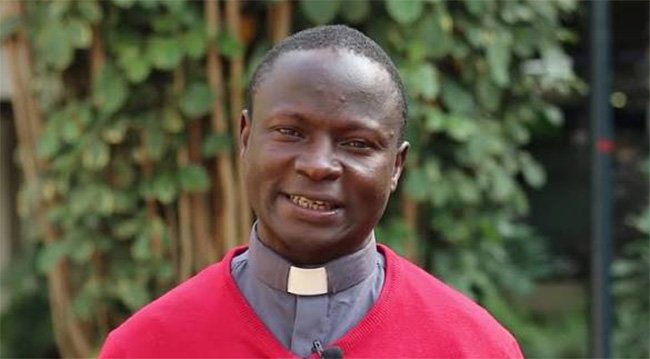
By Catholic priest Fr Deusdedit Ssekabira, who had been missing for weeks following his abduction by soldiers of the Uganda Peoples’ Defence Forces (UPDF), has been produced before the Masaka Magistrate’s Court but remanded after the court ruled it lacks jurisdiction to try his case.
Presiding magistrate Abdallah Kayiza on Tuesday remanded Fr Ssekabira until January 21, 2026, explaining that the offence he faces money laundering is triable only by the High Court or the Anti-Corruption Court.
Latest
Gov’t Releases Shs4.3bn for Kiteezi Compensation
Police Probe Death of 11-Year-Old Girl Found in Taxi at Old Taxi Park
UNEB Warns Schools Against Fraudsters Posing as Security Committee Members
IGP Byakagaba Assures Security as Festive Season Coincides with Election Period
Luuka District Engineers Charged Over Fuel Theft, Job-Sale Scam
URA Restricts Importation of Starlink Equipment Without UPDF Clearance
Museveni Rallies Masaka to Back NRM, Wealth-Creation Programmes
Uganda Law Society Dumps Neutrality, Backs Kyagulanyi
Fr Ssekabira is accused of concealing Shs500 million, which prosecutors allege he knew or suspected to be proceeds of crime. The charge falls under the Anti-Money Laundering Act and carries serious criminal penalties if proved.
His court appearance marks the first time he has been seen publicly since his alleged abduction by UPDF soldiers from Masaka District early this month, an incident that triggered widespread concern among religious leaders, human rights activists and opposition politicians.
For nearly two weeks after his disappearance, security agencies remained silent on his whereabouts. The UPDF later admitted, through its spokesperson Chris Magezi, that Fr Ssekabira was in military custody, stating that he was being held over alleged “violent subversive activities.”
Fr Ssekabira’s lawyers have maintained that his arrest and detention were unlawful, arguing that he was held incommunicado without access to lawyers or family members. They have also raised concerns about his physical and psychological well-being during his detention.
The state, on its part, insists that the priest’s case is criminal in nature and centers on alleged financial crimes, not his clerical role. Prosecutors argue that the gravity of the offence necessitates trial before a higher court with proper jurisdiction.
Legal analysts say the magistrate’s decision to remand Fr Ssekabira was procedural, allowing time for the file to be committed to the High Court or Anti-Corruption Court for further handling.
The case has reignited debate over the role of military agencies in civilian law enforcement, particularly in cases involving non-military suspects. Rights groups have called for transparency and adherence to constitutional safeguards, including the right to a speedy trial and access to legal counsel.
Fr Ssekabira remains on remand as arrangements are made to transfer his case to a court with competent jurisdiction.
Follow our WhatsApp Channel for more… https://whatsapp.com/channel/0029Vb6TpGqLtOjKB7S8OI3d